

PERSONAL
Property Insurance
Home Insurance

We provide coverage for most types of homes. We can also coordinate your entire insurance program to include your auto, business, and other property.
The standard home policy includes the following coverages:
-
This part of your policy pays to repair or rebuild your home if it is damaged or destroyed by fire, hurricane, hail, lightning, or other accidental, covered damages. Typically, it will not pay for damage caused by a flood, earthquake, or routine wear and tear. When purchasing coverage for the structure of your home, it is important to buy enough to rebuild your home.
Most standard policies also cover structures detached from your home, such as a garage, tool shed, or gazebo. Generally, these structures are covered up to 10% of the amount you keep on your home. Be sure to talk to your agent if you need more coverage.
-
Your furniture, clothes, sports equipment, and other things are covered if they are stolen, destroyed by fire, hurricane, and other insured disasters. The best way to determine if you have enough coverage is to conduct a home inventory.
Expensive items like jewelry, furs, and silverware are covered, but usually with a very restricted limit on theft. To insure these items to their full value, add the item to your policy for its appraised value. Coverage then includes “accidental disappearance,” meaning coverage if you simply lose that item. And there is typically no deductible.
My child is away at college. Does my homeowners policy cover possessions he took for theft & damage?
Yes, but be sure to check with your agent for the specific amount of coverage—electronic equipment taken to college quickly exceed the standard coverage you may have. -
Am I covered if a neighbor slips & sues? The liability portion of your homeowner policy was designed for situations like these: paying medical expenses, up to your policy limit, and the legal costs to defend you against a lawsuit — covering accidental bodily injury and property damage that you or your family members cause other people. This protection follows you around the world.
Liability can also pay for damage caused by your pets. So, if your dog accidentally ruins your neighbor's expensive rug, your policy may pay for the damages. This is not coverage for when your pet destroys your own rug. Limits start at $100,000. Experts recommend you purchase at least $300,000 worth of protection. You may want to consider an Umbrella Policy for broader coverage and higher liability limits.
Condo Insurance
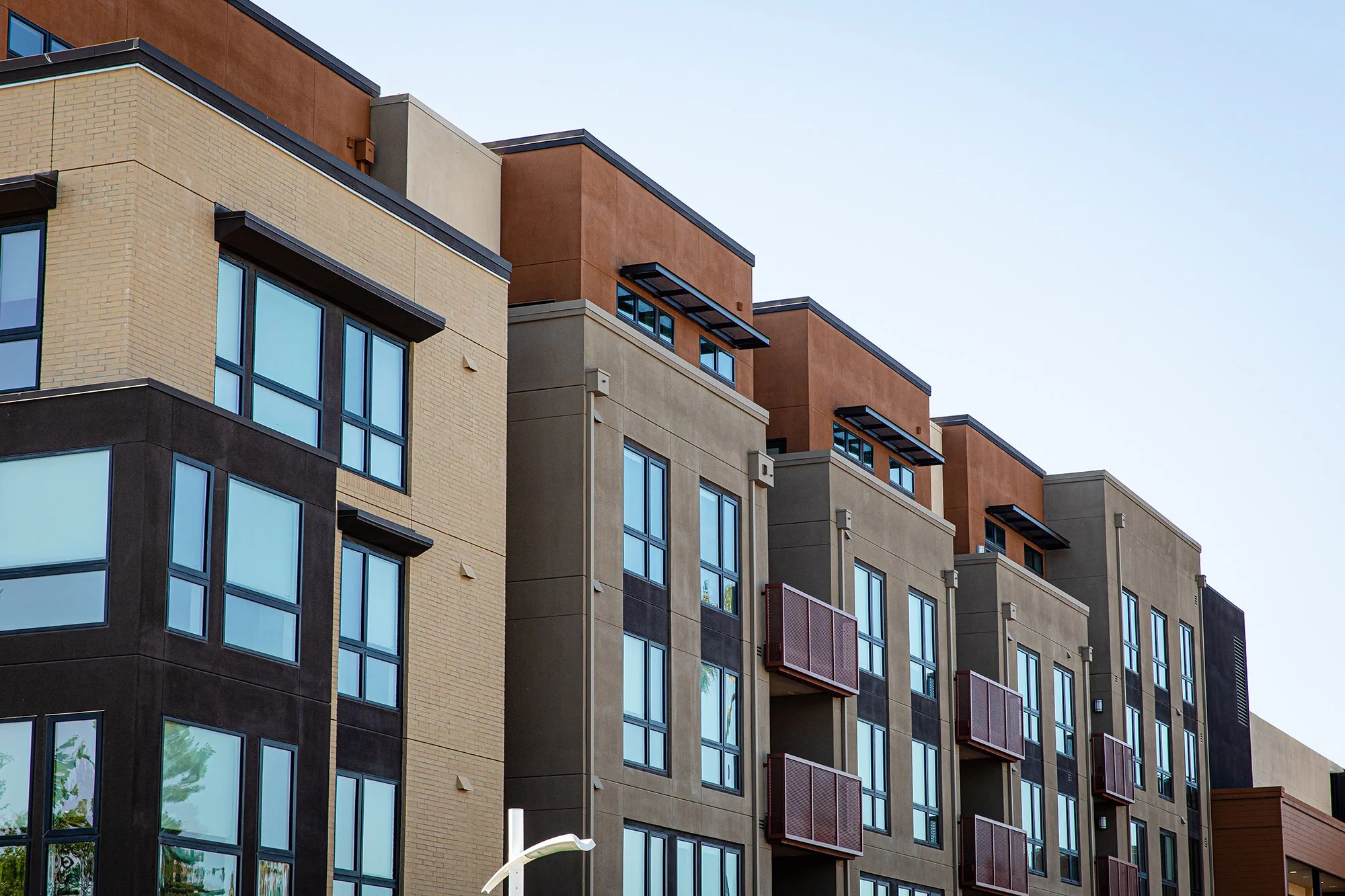
Condominium owners typically own only the inside of their units; the exterior is owned by an association. Insurance must be evaluated based on the condominium bylaws. These bylaws define ownership, which in turn determines the required amount of property insurance.
The condo unit owner will need to insure their personal property, and likely certain building exposures defined by the bylaws. This may include carpeting, paint, drywall, plumbing, wiring, and more. The unit owner is also responsible for assessments brought by the association for damage to common property.
It can be daunting to determine the appropriate coverage in these situations...we can help!
Renters Insurance

If you rent a home or apartment, you have a high risk of losing everything without insurance. After a fire, not only are you left without a place to live or clothes to wear, but you may also be sued for the damages to the building.
A renter's insurance policy can pay for damages to your personal belongings and:
For the costs to live somewhere else while your home is being repaired,
For accidental damages you cause the building, like fire or water damages,
To defend you if someone is hurt at the property and sues you.
Even if you don't own much property of value, we can tailor an insurance policy to fit your needs.
Rental Property Insurance

Changes in the marketplace the past few years made owning rental properties an attractive option. The availability of foreclosed and short-sale properties created new investment opportunities. And many homeowners turned to renting their property when unable to sell. Regardless of why, if you're a landlord, below are three important coverage lessons you don't want to learn the hard way.
-
You need a special type of policy—one designed to protect the unique exposures of a landlord.
Your homeowner policy requires that you reside in the home, and likely excludes personal property and liability coverage when the home is rented for an extended time. Not all policies are created equal. Unlike modern homeowner's policies which typically cover many potential types of damage, landlord policies can be sold with only minimal coverages. Ask your agent if your policy covers basic perils, broad perils, or special form perils. The best protection is a special form policy.
-
Require your tenants purchase their own policy—and get a copy. Not only will you be making your tenant aware that your policy doesn't extend to their stuff, but you may be able to recover if they cause accidental damages to your property. If they are negligent in causing a fire — like a candle left burning on the coffee table — their liability protection may pay for the damages, avoiding your insurance deductible and the potential rate increase for having a claim on your policy.
-
Owning rental properties increases your risk of being named in a lawsuit. An Umbrella Policy is the best way to limit your exposure, providing a high coverage limit for a small price.
REQUEST A QUOTE
Our partnership begins here. By learning about your unique needs, we can help you select the best coverage for your circumstances and budget.