
PERSONAL
Auto Insurance
Auto Insurance
Will your insurance pay you if you're injured and can't work after a hit-and-run accident? Will you be paid for the damage to your car? We're here to answer your questions and help you make the important decisions to ensure you're properly protected.
The links below contain overviews of the common auto policy coverage options and tips for keeping your family safe.
-
This lawsuit protection pays for injuries you cause someone else, but only up to your pre-chosen coverage limit. If you're involved in a serious accident, you could be sued for a large sum—making your insurance coverage look more like a down payment than full protection. You can often double your liability protection for less than $10 per month. For added protection, or if you have kids of driving age, consider purchasing an Umbrella Policy.
-
This lawsuit protection pays for damage you cause to someone else's property, but only up to your pre-chosen coverage limit. Usually, this means damage to someone else's car, but it also includes damage to lamp posts, telephone poles, fences, buildings, or other structures your car hit.
-
This important section of the auto policy reimburses you, your family members, and passengers, when hit by an uninsured or hit-and-run driver. It also protects after being hit by someone who doesn't carry enough insurance protection to pay for your damages, and applies if you are hit as a pedestrian. A common misconception about uninsured motorist's coverage is you will be reimbursed for damage to your vehicle. While this section provides needed coverage for your personal injuries like medical bills, lost wages, disability, and funeral expenses, the standard auto policy requires collision coverage in order to pay for damage to your vehicle.
-
This optional section of the policy pays for damage to your vehicle. States do not require you purchase these coverages, but if you have a car loan, your lender will require you to until the loan is paid off.
Comprehensive
Comprehensive pays for damage to your vehicle other than collision, such as fire, theft, falling objects, explosion, earthquake, wind, hail, flood, vandalism, and contact with animals like birds and deer. It also pays for cracked windshields, with some companies offering glass coverage without a deductible.
Collision
Collision pays for damage to your car resulting from a collision with another vehicle, object, or as a result of flipping over. It also covers damage caused by potholes.
Even if you're at-fault for the accident, your collision coverage will reimburse you the costs of repairing your car, minus the deductible. If you are not at-fault, your insurance company may try to recover the amount paid from the other driver's insurance company. If they are successful, you'll be reimbursed for the deductible. -
What if I lease a car? If you lease a vehicle, you'll still need to buy your own auto insurance policy. The auto dealer or bank that is financing the car will require you to purchase Comprehensive and Collision coverage, in addition to the others that may be mandatory in your state, such as Liability Coverage. The leasing company may also require Gap insurance. If you have an accident, and the leased car is damaged beyond repair, there's likely a difference between the amount you still owe the auto dealer and the check you get from your insurance company. That's because the insurance company's check is based on the car's actual cash value, which takes into account depreciation. The difference between the two amounts is known as the "gap".
What if I have a loan? If you have a loan, consider purchasing gap insurance to protect yourself from paying the gap amount if your car is totaled before you've finished paying for it. This is particularly important for new vehicles, as the rate of depreciation is often greater than the principal paid monthly on the loan.
-
This optional rider pays for a rental car while your vehicle is in the shop after an accident or other covered claim. Coverage limits range from $20 per day to $75 per day, and typically carry an additional per accident limit. While this coverage pays the daily rental rate on the vehicle, it does not cover your costs of gas, or additional costs to insure the rented vehicle. You'll want to discuss the implications of driving a rented vehicle, and how your policy will respond, with your agent before you get to the rental counter.
Motorcycle Insurance
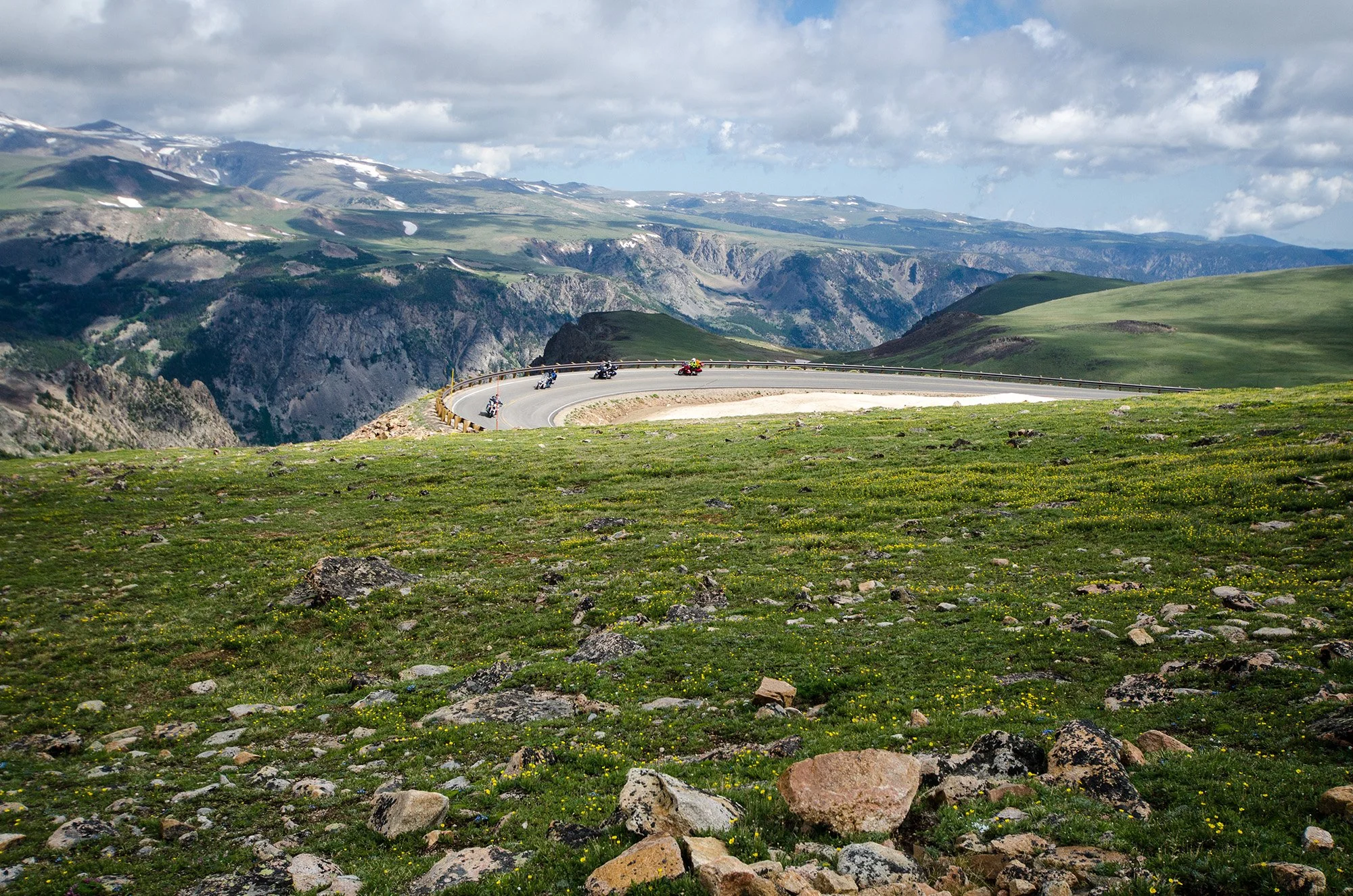
We provide coverage for motorcycles. We also can coordinate your entire insurance program to include your auto, home, business, and other property.
Choosing the right insurance policy is much like choosing the right bike. You want it to fit your needs and lifestyle, but at the same time be within your budget. The key to finding which coverage is best for you involves learning about all the options available.
-
Liability insurance covers bodily injury and property damage that you may cause to other people involved in an accident. It doesn't cover you or your motorcycle. Find out if your coverage includes guest passenger liability, which provides protection in the event that a passenger is injured on the motorcycle. Whether or not this is included depends on the laws of your state and the company issuing the policy.
-
Comprehensive coverage pays for damages caused by an event other than a collision, such as fire, theft, or vandalism. However, just like collision coverage, your insurance company will pay for damages, minus your deductible, and cover only the book value of the motorcycle. Keep in mind most comprehensive and collision coverages will only cover the factory standard parts on your bike. If you decide to add on any additional optional accessories such as chrome parts, a custom paint job, trailers, or sidecars, you need to look into obtaining additional equipment coverage.
-
Collision insurance covers damage to your motorcycle if you are involved in an accident. Your insurance company pays for damages, minus your deductible, caused when you collide with another vehicle or object. Collision insurance usually covers the book value of the motorcycle before the loss occurred.
-
Uninsured Motorist Coverage
Uninsured motorist coverage pays for medical treatment, lost wages, and other damages if a driver who has no insurance hits you. If your uninsured motorist coverage includes property damage, then your motorcycle would also be covered under the same circumstances. Check with our staff to see if property damage is included or needs to be purchased separately.
Underinsured Motorist Coverage
Underinsured motorist coverage is similar to uninsured motorist coverage, except it applies when the damages exceed the other party's limits.
Auto Insurance FAQs
-
There are several things you should consider when purchasing automobile insurance that your independent agent will help you with. Here are a few:
Purchase the amount of liability coverage which makes sense for you.
Select the optional coverages you want.
Decide which company to purchase insurance from.
Don't base your decision solely on price. Other factors like service and claim response are extremely important in selecting the right insurance.
-
When you loan your car to a friend or an associate, he or she will be covered under your automobile insurance policy.
-
Collision is the loss you incur when your automobile collides with another vehicle or object like a telephone pole.
-
Comprehensive provides coverage for direct physical damage losses you could incur to your car from something like a hailstorm.
-
There are several things you can do to lower the cost of your automobile insurance.
One way is to look for competitive pricing. An independent agent works with many companies and can provide you comparative rates and insure that your are getting the same coverage.Another way to lower the cost is to change your deductible. By raising your deductible you may lower the cost of your automobile insurance almost 10% You must be able to pay the deductible amount in case of a claim. You can also look for discounts that you may be entitled to. Some examples of discounts that may be available are: multiple cars under the same policy, carrying a homeowners policy with the same insurance company, different groups or associations.
-
Most personal auto policies provide coverage for driving in Canada. However, we recommend that you check with us before taking your car across the border.
Mexican law requires that you purchase separate liability coverage from a Mexican insurance company prior to operating your vehicle in Mexico. Your personal auto policy may provide some limited coverage but this coverage must meet the insurance requirements of the Republic of Mexico. Failure to purchase the proper Mexican liability insurance could result in a substantial fine if you are involved in an accident while driving in Mexico. Again, we suggest that you check with our office prior to taking your vehicle across the border.
-
In most cases, if the vehicle pulling the trailer is covered under the policy, the liability coverage will be extended to the trailer if you own the trailer. However, physical damage (comprehensive or collision) must be purchased separately. You will need to review your policy for exceptions.
REQUEST A QUOTE
Our partnership begins here. By learning about your unique needs, we can help you select the best coverage for your circumstances and budget.